I build & manage unique hotels with the highest returns in hospitality. Learn how to grow your vision and go from commodity STRs to boutique hotels.
The 30-minute pricing session behind a 94% jump
|
Modern Hospitality Playbook: The exact pricing session we run on every property, start to finish, so you stop collecting pricing concepts and finally price with confidence. I hear the same thing from a lot of you guys. You've read every one of these newsletters, and the ideas land while you're reading them. The Pink Line, compression, knowing your numbers, all of it makes sense on paper. Then you sit down to actually price, and you freeze. One of our cohort operators had the same problem last week. He opened his calendar and had no idea where to start. Knowing the concepts and knowing the order to run them in are two different skills. So we ran a live session in the Accelerator to fix that, and today I'm taking you behind the scenes on the whole thing. THE WRONG WAYMost hospitality operators treat pricing as a setting. You learn a concept, apply it once, and move on. That shows up two ways:
Both feel productive. But neither compounds. Because a concept applied once, in isolation, is just a guess with a fancy name. By the time your booking pace tells you demand shifted, the ones running the loop already moved their rate. But the operators who win run weekly sessions to fine-tune this. The good news is the session is short, and it always runs in the same order... THE PLAYHere's the session, in four moves. Run them in order. Move 1: Load your rate card first. Pull the best-guess rate from your pricing model and drop it into your PMS. It's built from your own history, so treat it as a starting line. This is also where your three core numbers earn their keep. Move 2: Pink-line your low season. Find your closest comp, sit 5 percent below the bottom of that comp set, and hold. If they move, you move. Do it 120 days out, while the calendar is still open and nobody has started panic-dropping. Pull up the competitor's actual listing for those dates and confirm it yourself. (Here's the Pink Line in full, if you want the deeper walk-through.) Move 3: Read your pace before you touch a rate. Pace is how fast bookings land, and for which future dates. Read it one period at a time, this July against last July, not the whole year in a lump. For example, when our October calendar at Onera starts filling in July, we know we priced too low. If your peak season fills before the prime booking window, that's the market telling you the same thing. So raise before the calendar proves you right. Move 4: Compress your peak. On your high-tier dates, raise every comparable date each time one books, until the last one won't sell. That final missed booking is your ceiling. Anything before it might just be a booking that hasn't shown up yet. (This is compression theory, and I broke down the full mechanics a few issues back.) Then you write it down. Keep a pricing decision log of what you changed and what happened after. A spreadsheet, a note, a message to yourself, whatever you'll actually keep. That log is what turns four moves into a system. Next time a date behaves a certain way, you already know what worked. No team or pricing model yet? You can still run the loop by hand:
Same session, fewer tools. THE PROOF
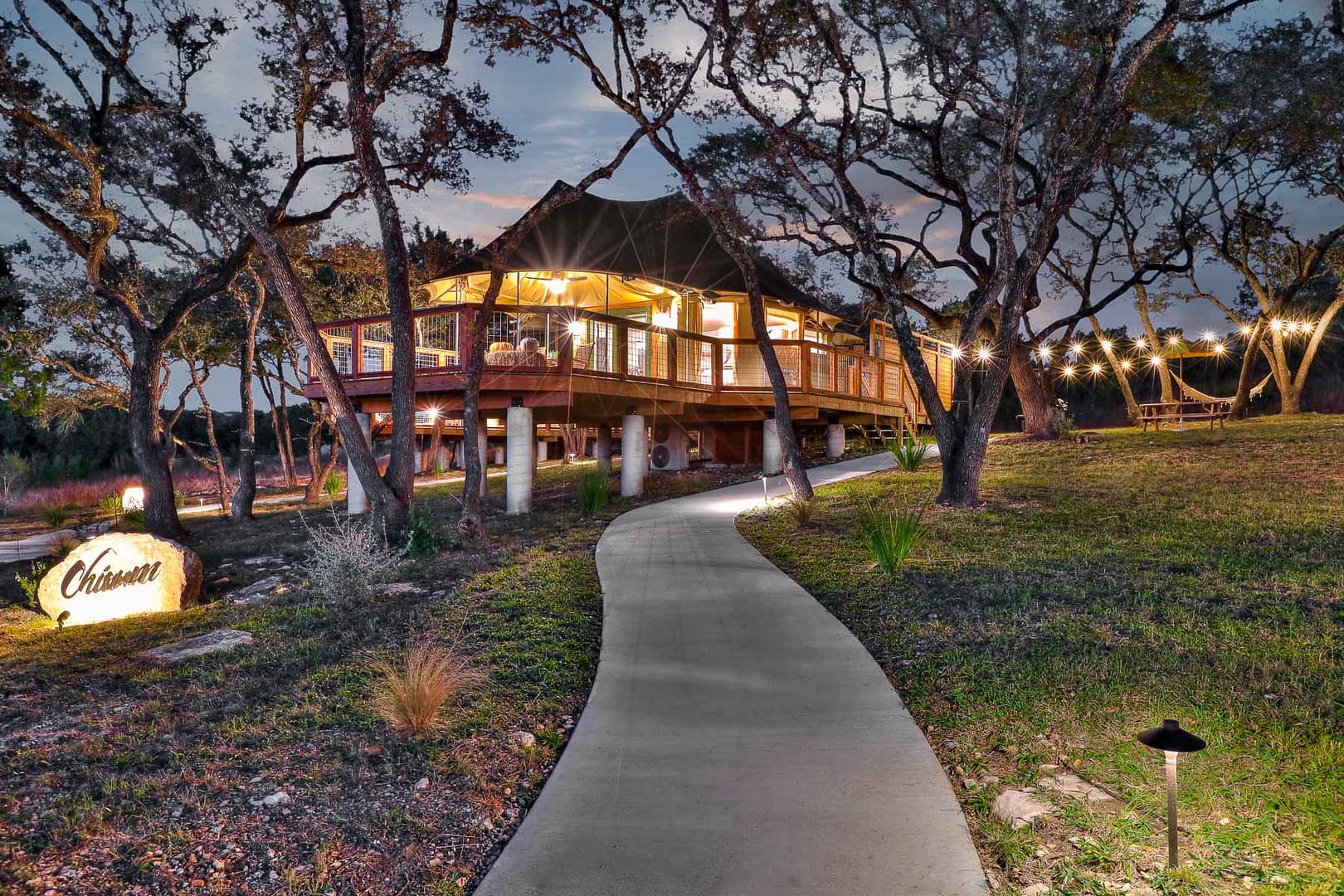
Two properties ran this exact session. One saw it in a month. One compounded it for years. Lafave came to us with no data-driven pricing strategy. First 30 days on the system: $125,000 more in bookings than the same month a year earlier. A 43% lift, year over year. Then there's Spoon Mountain, three safari tents in the Texas Hill Country. In 2022, before we onboarded them, they priced on instinct and ran about $210,000 for the year. In 2025, same three tents, they did $408,000. Up 94%. Their slowest month alone grew 64 percent. Now let's pull back the curtain on their peak. Their high-season ceiling used to sit around $340 a night. After three years of running this session every season, that ceiling is now $1,049 to $1,149. They added a pool along the way, so it isn't pricing alone… But the number moved because they ran the loop over and over, and let real misses show them the top. THE TAKEAWAYThis week, block 30 minutes and run the session once. Don't price a single date on its own. Pink-line your next slow stretch, read your pace against last year, and raise your next peak date after the set of dates book. Then write down what you changed. That note is your first session. This is your window while the season is still live. -- Ben Wolff |
Ben Wolff | The Unique Stays Guy
I build & manage unique hotels with the highest returns in hospitality. Learn how to grow your vision and go from commodity STRs to boutique hotels.
Modern Hospitality Playbook: How a viral post shrinks your booking window (and the real-time pricing move that turns the surge into ADR.) You post a reel. It takes off. The views climb, the saves stack up, and it feels like the marketing finally worked. Most of us screenshot it, drop it in the team chat, and get back to the day. Here's what that reaction misses. A viral post does something to your calendar before it ever shows up in your revenue. One reel at one of our properties pulled 1.7M...
Modern Hospitality Playbook: The anatomy of an Instagram carousel that gets swiped all the way to your booking link (and the one slide that does most of the work). I often hear you guys say carousels feel like busywork. You spend an afternoon in Canva, post a tidy set of slides, and it lands with a couple hundred views and zero bookings. So you quietly decide carousels don't work for hotels. Here's the thing. The carousel probably wasn't the problem. The way it was built was. A carousel isn't...
Modern Hospitality Playbook: How to create content that books rooms (even when nobody comes to your town) I often hear you guys tell me the same thing about content: my town isn't a destination. Nobody's heard of it. Nobody's booking a trip to see it. They come for the quiet, the view, a few days off the grid, and then they go home. So when you sit down to post, it feels like there's nothing to say. Onera Wimberley sits in a Hill Country town most people outside Texas have never heard of. But...