I build & manage unique hotels with the highest returns in hospitality. Learn how to grow your vision and go from commodity STRs to boutique hotels.
He bled $116,064 in ONE season..
|
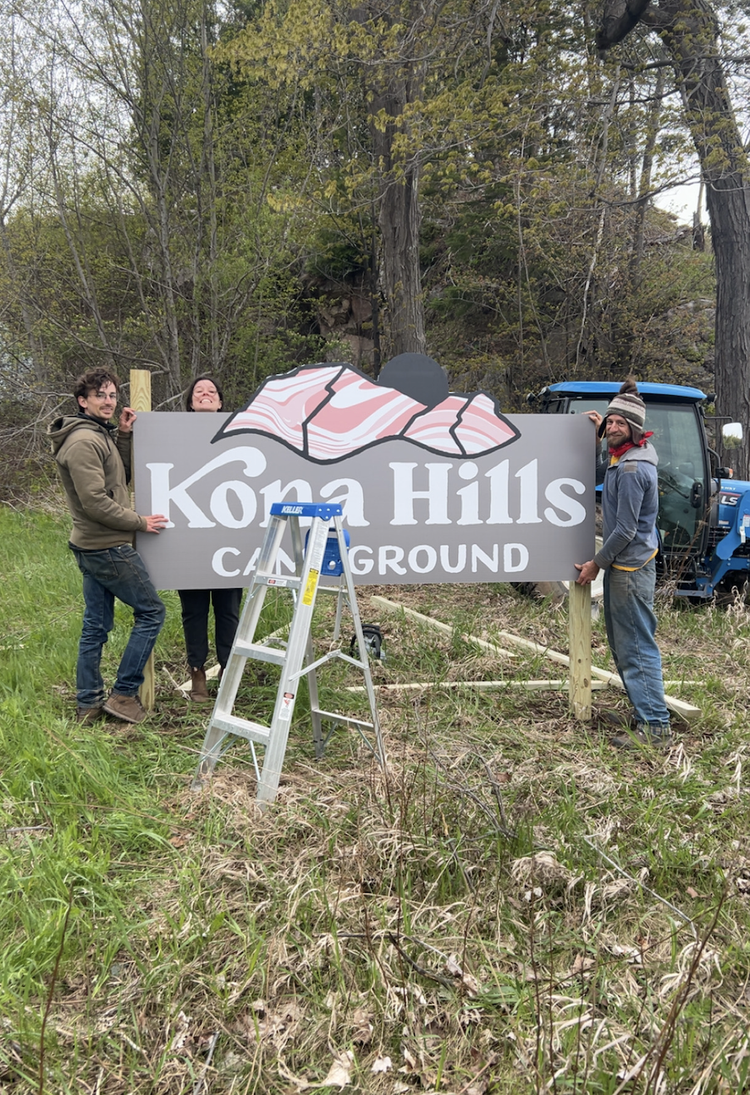
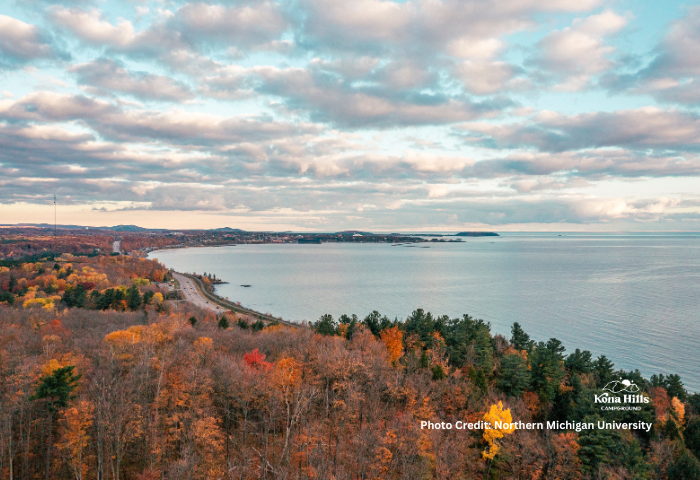
Modern Hospitality Playbook: How to run a panic pricing autopsy on your last season and find the money you already earned but never collected. Most pricing mistakes don't feel like mistakes. They feel like being careful. You watch the calendar fill slower than last year. You feel the pressure build. So you shave $20 off to get the booking, and tell yourself you'll hold the line next time. Or you do the opposite. You pick a rate that feels fair, set it once, and never touch it again all season. Both feel responsible in the moment. Both leak money quietly, all year, while you're busy running the property. I want to show you how Jeremy Johnson, one of the first operators in our cohort, found exactly how much his pricing was costing him. He runs Kona Hills, a rustic 40-site campground perched 200 feet above Lake Superior in Michigan's Upper Peninsula.
Strong direct bookings. You'd assume he had nothing left to fix. He found $116,064.
THE WRONG WAY Panic pricing shows up in two forms, and most operators run at least one of them without noticing.
The drop trains your guests. The hold trains you to accept empty nights as normal. Neither one is laziness. Both come from running a property with no time and no system, so pricing becomes a reflex instead of an intentional strategy. You can't fix a leak you've never measured. THE PLAY Before you touch a single rate, run the autopsy on your last 12 months. You're looking for two leaks, the same two that show up in every season.
Add the two together and you get your total leak in real dollars. Not a feeling. A number. The reframe that makes this click: your real rate is your listed rate times your booking rate. A $700 peak night that only books 60% of the time is really $420 per available night. A lower rate that fills the calendar often beats a hero rate that doesn't. It's the same logic we price Onera on. During slow season, we'd rather lock in 80% occupancy at $179 than gamble on 20% at $259. (It holds whether you run one cabin or thirty keys, here's why.) You can run the whole thing in a spreadsheet this week. Export your bookings, sort by rate and by occupancy, and total the two columns. (We've also built a Claude skill that flags both leaks for you, but the spreadsheet works fine to start.) THE PROOF
Jeremy's background is SEO, so he's good with numbers and great at capturing demand. Kona Hills has 40 sites, tents and vans, but no built cabins yet. They've had season, May to October 2025. Last season he ran about 55% occupancy on a flat $45 nightly rate. A competitor down the road charges around $90. When he ran the autopsy on that first full season, the total came back at $116,064. Only $1,989 of that was underpricing. The other $114,075 was empty nights. The open calendar a lower floor could have filled, sitting there at a flat rate all season. And here's what tells you the rate itself has room to move. This year he raised his nightly rate 50%. Bookings climbed anyway. June stays at Kona Hills are up 67% year over year. He's pulling more demand at the higher number, not less. The leak was never the channel mix. It was the rate. Jeremy wasn't the only one. We've had other operators in the Accelerator run their own autopsy and find the same shape thing: the empty-night leak was the bigger leak in their funnel. THE TAKEAWAY This week, pull your last 12 months and run the two columns: nights you sold too cheap, and nights you didn't sell at all. Total them before you change a single price. You can't build a real demand engine on top of a pricing system you've never measured. Find the leak first. This is your window to fix it before next season locks in. Next week, I'll show you the play we use to plug those empty nights. It's called the Pink Line, and it's the one concept Jeremy and other MHA operators told us moved the needle most. Ben Wolff P.S.. I'm curious what your numbers look like. Run the autopsy on last season, even roughly, and hit reply with what you find for each leak. I read every one, and the answers will shape where we take this revenue series next. |

Ben Wolff | The Unique Stays Guy
I build & manage unique hotels with the highest returns in hospitality. Learn how to grow your vision and go from commodity STRs to boutique hotels.
Quick note before we get into it: I'm hosting a live workshop tomorrow, October 1st at 1:00 PM EST on The Slow Season Pricing Playbook: How To Price With AirDNA Adapt. In just 90 minutes, we’ll show you how to build a competitive comp set and price strategically against your closest competitors. Click here to add this workshop to your calendar (and we’ll send you the replay - even if you can’t make it live). Last Thursday, I was catching up with a friend who’s attending VRMA 26 in Nashville...
Hey, Ben here! This week Scott, Edwin, Zach and I spent the whole episode on one question. Who actually owns the guest? We talk about how the top players in hospitality are either fighting to capture more of your guests, or admitting they can't fake it anymore. Airbnb's hotel program just crossed 4,000 properties, growing 3x faster than Airbnb's core home business. Uber's playing the same game from a different angle. It's becoming a new booking layer for Expedia's hotel supply, using 50...
According to Lodging Econometrics, 2,371 new hotels opened in 2025. 2,617 more are expected in 2026. And most of those are going to do one thing right before they open their doors: list themselves on OTAs Which means… You'll be seeing a flood of competitors right next to your property, fighting for the same customers. And some of these hotels have bigger budgets and even institutional capital behind them. But that's not the worst part. It's this: OTAs will keep charging you the same...